BESS can replace DG backup in some applications, depending on the required power, backup duration, load characteristics and electrical architecture. A feasibility study should be completed before selecting the system.


A Battery Energy Storage System can give you backup power, peak load management and energy optimisation, without a single litre of diesel. Get a free feasibility assessment for your site.

As an independent energy consultancy, MSEB Power compares technologies and vendors, coordinates with reputed EPC partners and manages your DG-to-BESS transition end to end, whether that's BESS-only or a BESS + DG hybrid.
Planning to replace your DG? Talk to MSEB Power for a free BESS feasibility assessment.
From the battery block to the power conversion system, here is what actually goes into a BESS that replaces your diesel generator.
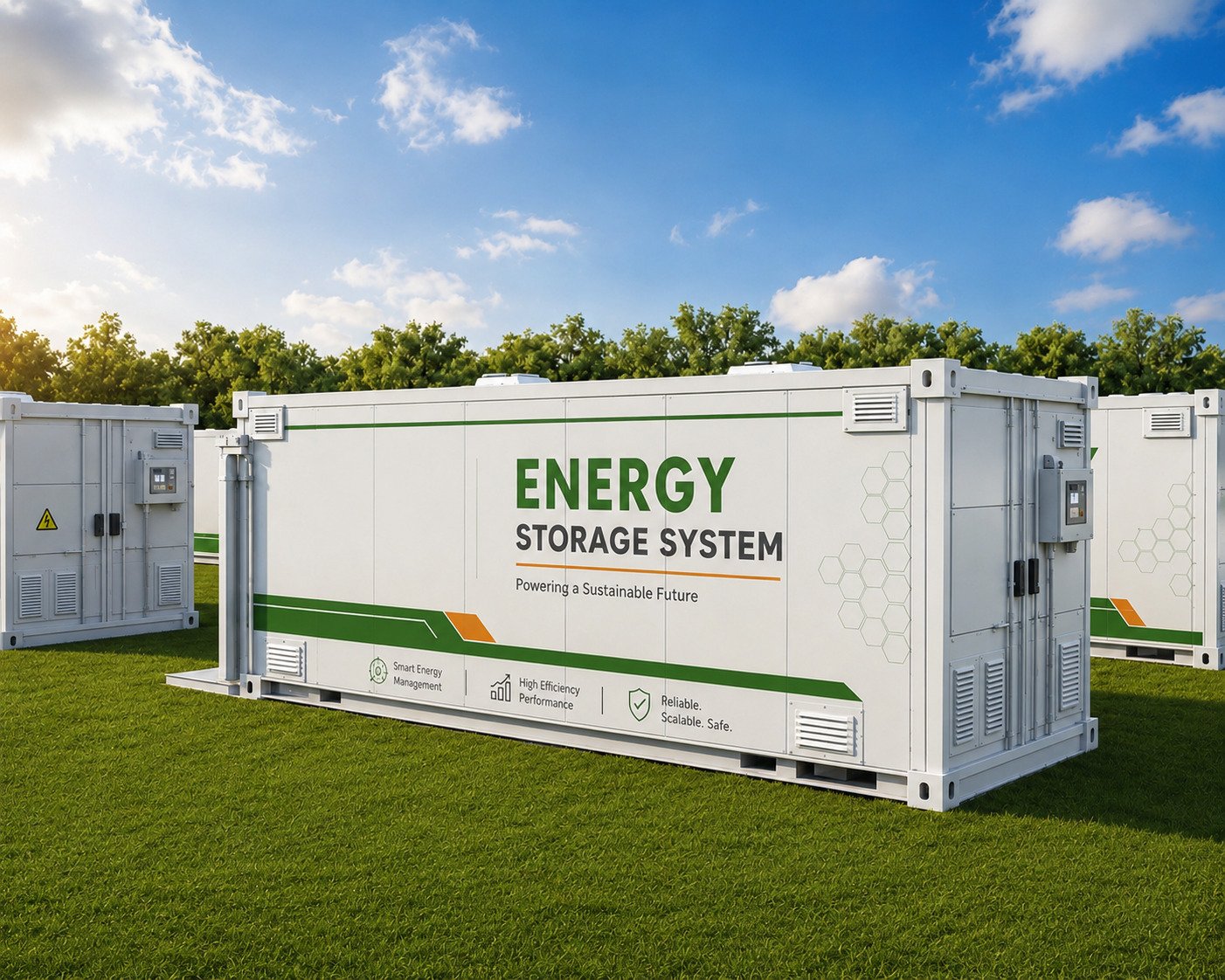
LiFePO4 containerized battery block for large-scale BESS projects replacing bigger DG installations.
Rack-mount lithium battery platform with integrated BMS, a quiet drop-in alternative to small DG backup.
Cell-level monitoring, balancing and protection ensuring safety and longevity of the battery pack.
The intelligence that decides when your BESS charges, discharges or steps in ahead of a scheduled DG run.
Bi-directional AC/DC power conversion for seamless BESS integration with your existing electrical panel.
High-reliability rectifier and battery charger platform, commonly used in telecom sites moving off DG.
Compact, high-energy-density LiFePO4 battery pack, sized to slot into a small factory's DG footprint.
Fully integrated, liquid-cooled C&I Battery Energy Storage System in a single cabinet, DG-sized footprint.
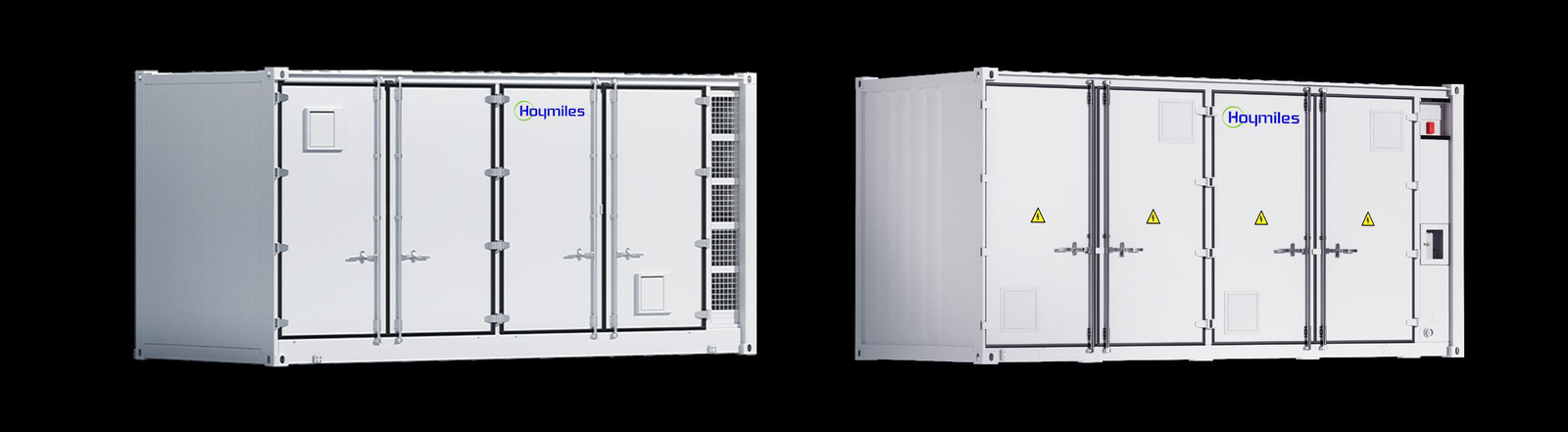
Integrated AC-side containerized energy storage with rack-level management and liquid cooling for utility-scale replacement of large DG banks.

High-capacity 10.03 MWh battery container with intelligent O&M and multi-layer protection.
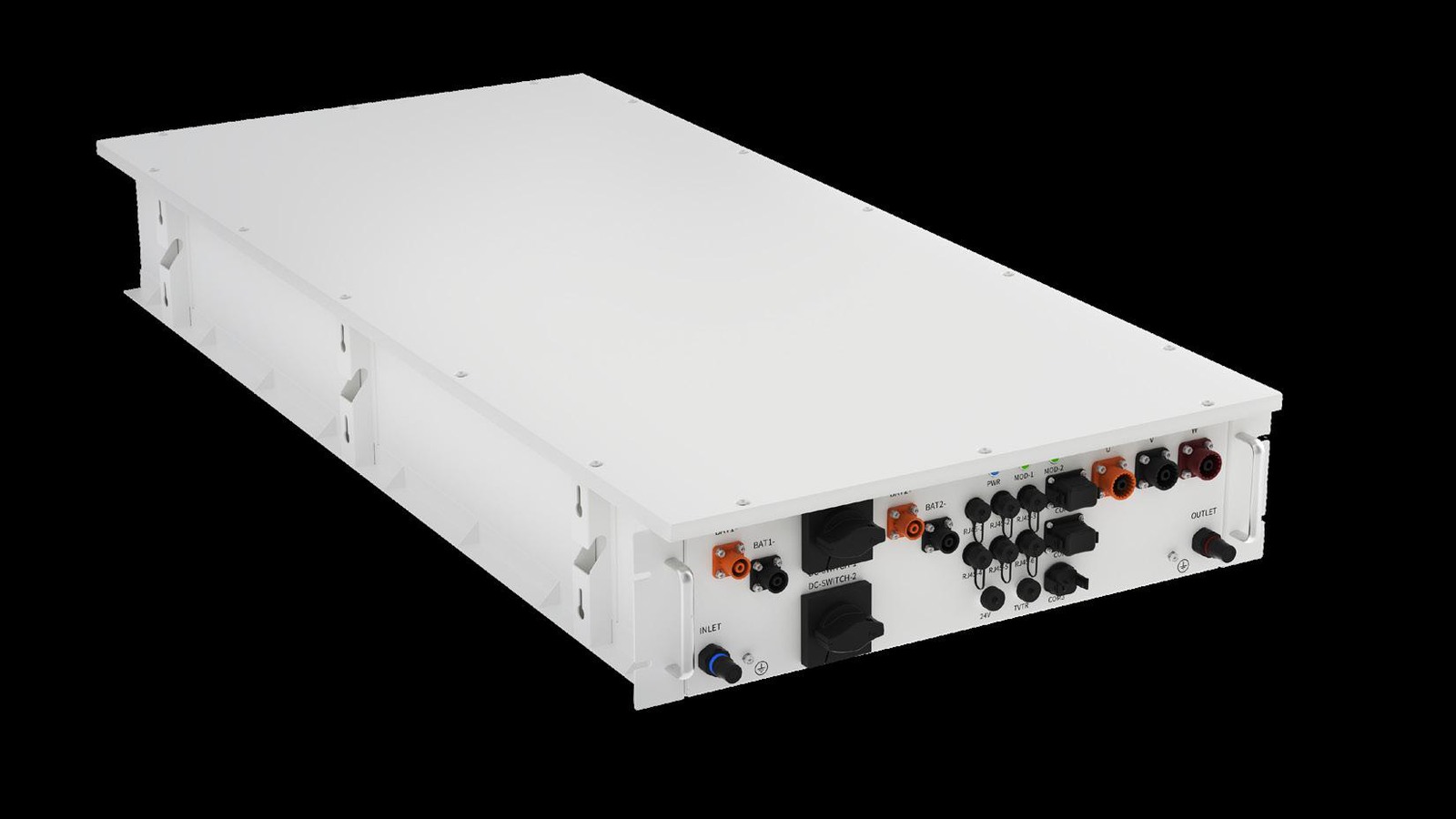
High-power bidirectional PCS with black-start capability, useful where DG once provided cold-start power.
Fully liquid-cooled C&I battery storage integrating battery, PCS, edge EMS and app-based operation.

Diesel generators have traditionally been the default backup power system. Businesses today want a more efficient way to manage backup power and energy costs, and that means rethinking everything a DG set brings along with it.
A simplified energy architecture can take a few forms, depending on what your site already has in place. When the grid is available, the BESS charges. During an outage, or a peak demand window, it discharges to the designated loads.
The same BESS can also be used for energy management while the grid is available, including peak demand management and shifting solar energy to when you need it most.
Diesel generators and battery energy storage are different technologies built for different jobs. Here is how they compare on the factors that matter most.
| Feature | Diesel Generator | BESS |
|---|---|---|
| Primary energy source | Diesel fuel | Stored electrical energy |
| Fuel storage | Required | Not required |
| Engine | Required | Not required |
| Local exhaust | Yes | No combustion exhaust |
| Noise | Higher | Very low during normal operation |
| Vibration | Engine related | No engine vibration |
| Routine engine servicing | Required | No engine servicing |
| Solar integration | Limited | Excellent |
| Peak load management | Limited | Yes |
| Energy shifting | Not supported | Yes |
| Remote monitoring | Possible | Standard on most systems |
| EV charging integration | Limited | Strong |
| Response time | Generator start-up required | Very fast power response |
| Operating strategy | Backup focused | Backup + energy management |
Important: the suitability of replacing a DG depends on your site's load, required backup duration, power quality requirements and electrical design. A project-specific assessment is recommended.
Beyond backup power, a well-designed BESS changes how a facility uses energy day to day.
A properly designed BESS can reduce or eliminate DG running for suitable applications, along with diesel purchasing, storage and transport.
No combustion engine means no engine noise or vibration, ideal for offices, hotels, hospitals, campuses and urban commercial sites.
A BESS does not burn diesel during operation, helping reduce a facility's dependence on combustion-based backup.
Battery storage can respond very quickly to changes in electrical demand, subject to the overall system design.
Excess solar energy can be stored and used later, improving how much of your renewable generation actually gets used.
BESS is not only a backup system. When a facility hits a high electrical demand period, it can discharge power to cut down what you draw from the grid, subject to your tariff structure and system design. Unlike a DG, which is mainly there for emergencies, BESS works for you every single day.
Every facility carries a different load profile. Here is how a BESS-based approach applies across the sectors we work with most.
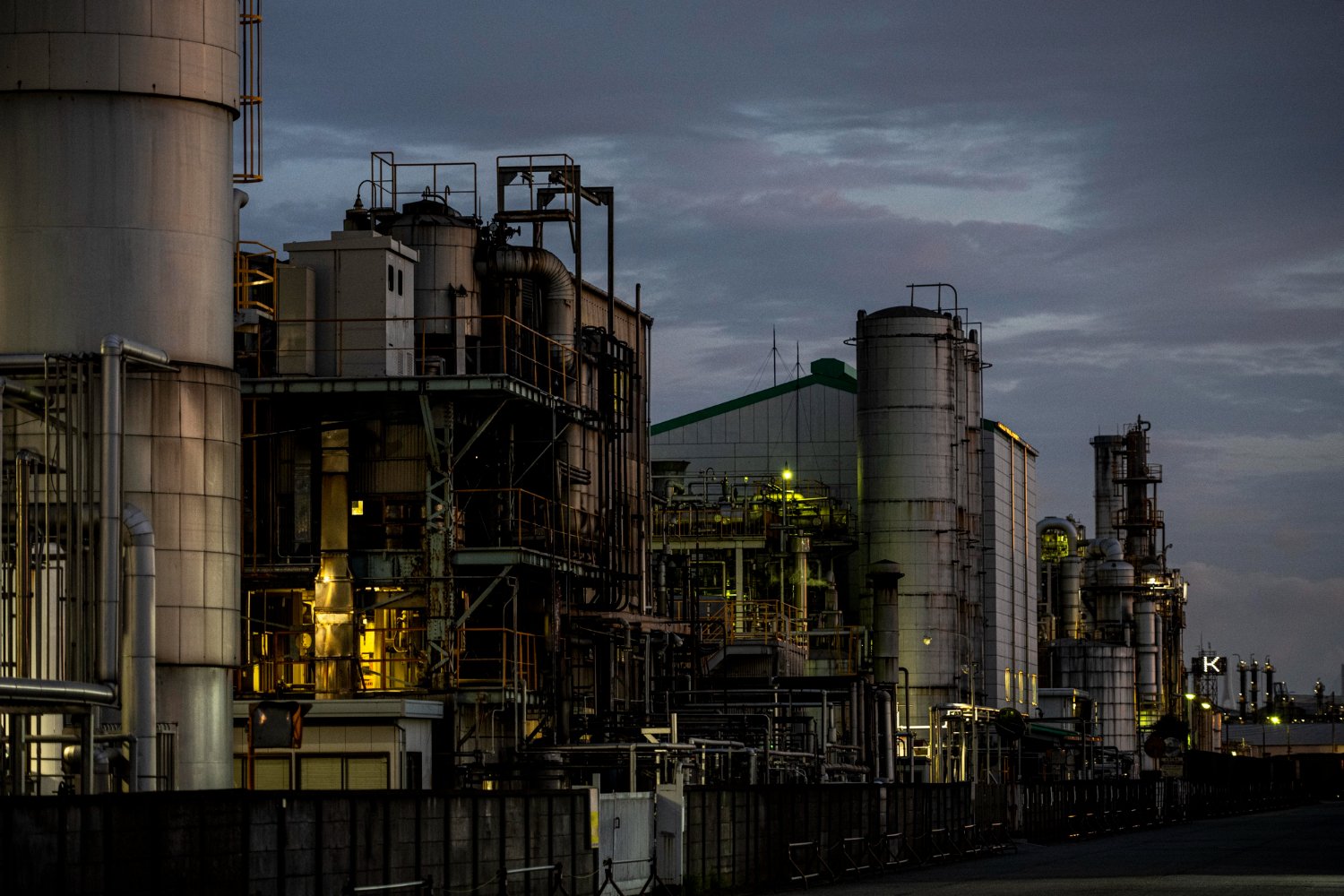
Large electrical loads, high peak demand and variable load profiles make factories a strong fit for a load-study-led BESS design.

Corporate offices, business parks and retail complexes use BESS for backup, peak demand management and solar storage together.
Highly reliable electrical systems are non-negotiable. BESS is engineered alongside existing UPS, DG and emergency power architecture.

Guest experience depends on uninterrupted power. BESS can support key services and integrate with existing or planned solar systems.
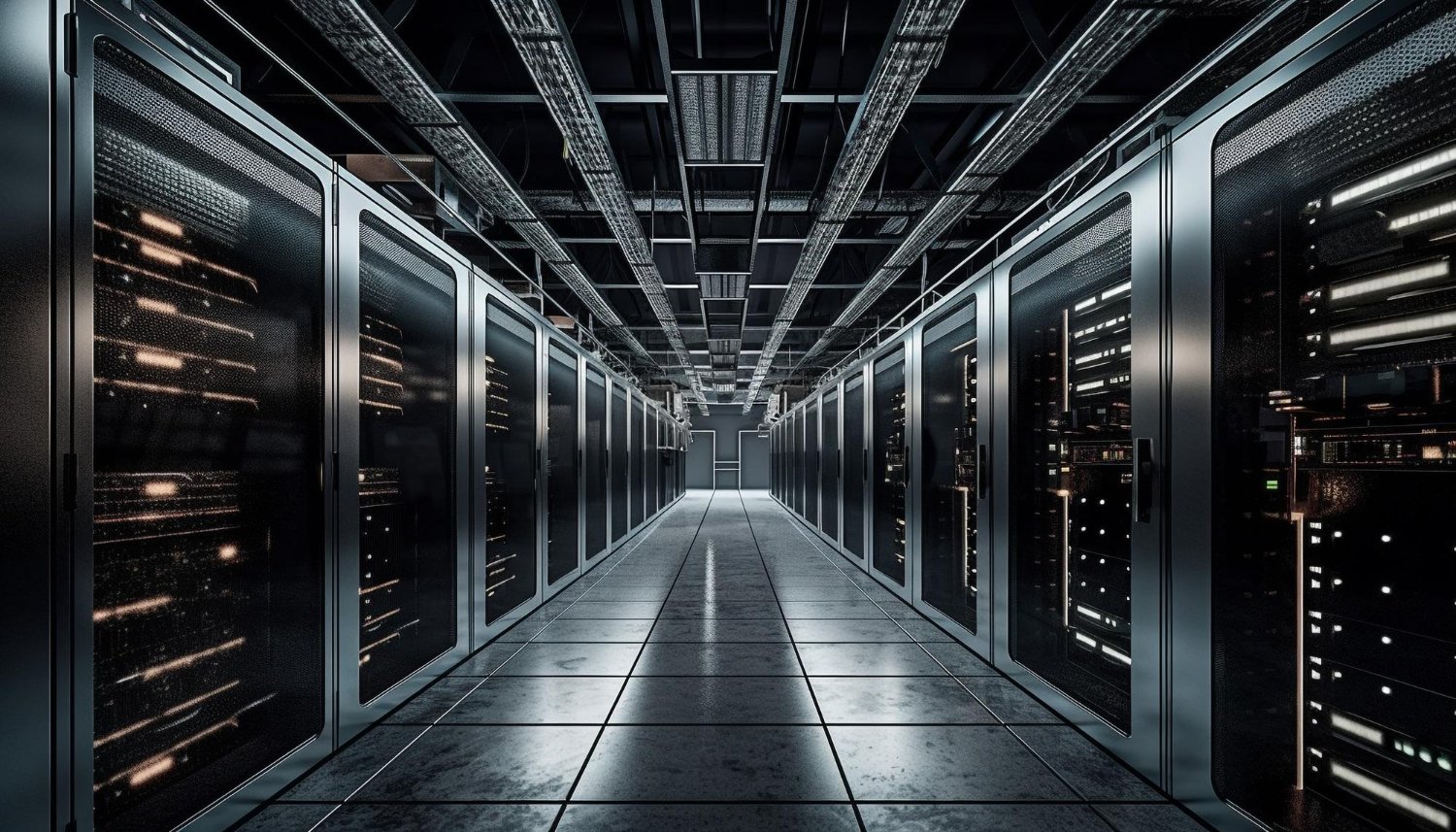
Power-quality-sensitive infrastructure needs detailed engineering around load characteristics, redundancy and UPS architecture.

High-power EV charging creates significant demand. BESS helps manage that demand instead of pulling it all from the grid at once.
MSEB Power evaluates integrated energy solutions that bring these four pieces together into one flexible system: Solar + BESS + EV Charging + Grid.
Generates renewable electricity on site.
Stores and manages that electrical energy.
Supplies energy to electric vehicles.
Provides additional energy when required.
There is no single BESS size that suits every business. Every system is calculated against two numbers.
Determines how much instantaneous electrical power the BESS can deliver at any moment.
Determines how much energy the system can store and how long it can keep supplying your load.


The more accurate your load information, the better the sizing and economic evaluation. MSEB Power typically works with details such as:
A structured, six-step path from your current DG setup to a right-sized BESS solution.
We start with your current DG system, electrical load and backup requirement.
We evaluate load, demand, critical loads, backup duration and existing infrastructure.
The appropriate power and energy capacity for your site are worked out.
We map out the solution: BESS, PCS, EMS, solar, existing DG, UPS, panels and protection systems.
Capital investment, energy and diesel cost, expected savings and payback are laid out clearly.
Once approved, the system proceeds through engineering, procurement, installation, commissioning and monitoring.
For many businesses, removing the DG on day one is not the best approach. A BESS + DG hybrid keeps a backup layer in place while you transition at your own pace.
Grid + Solar + BESS runs the show, day to day.
BESS supports the load and trims what you draw from the grid.
BESS supplies your designated loads instantly.
DG steps in as an additional backup layer where required.


Evaluate BESS first. Your existing diesel generator, electricity consumption, solar system and load profile can be studied to determine whether BESS, Solar + BESS or BESS + DG makes commercial and technical sense for your facility.
Disclaimer: MSEB Power is an independent energy consultancy and project management company. We do not manufacture batteries, diesel generators or solar panels. We help clients evaluate technologies, compare vendors, coordinate with reputed EPC partners, and deliver the most suitable clean energy solution based on project requirements.
